


Understanding the psychological effects of casinos on player behavior
Understanding the psychological effects of casinos on player behavior
The Allure of Casinos
The psychological allure of casinos often stems from the exhilarating environment they create. From the flashing lights to the sounds of coins clinking, these sensory stimuli contribute to a unique atmosphere that captivates players. This immersive experience can induce a state of euphoria, making it easy for individuals to lose track of time and money. Many players report feeling a rush of excitement when they win, which can reinforce continued gambling, even when the odds are not favorable. To explore a new gaming environment, visit slotzania.nz, where exciting opportunities abound.
Moreover, the notion of “near misses” plays a significant role in player behavior. Players frequently experience moments where they come close to winning, such as rolling two out of three needed symbols on a slot machine. These experiences trigger dopamine release in the brain, leading players to believe that they are on the cusp of success, driving them to keep playing. Understanding this phenomenon is crucial for recognizing how psychological mechanisms can influence gambling behavior and spending patterns.
The thrill of winning can also contribute to a distorted perception of risk and reward. Many players may overestimate their chances of winning due to the emotional high they experience during gameplay. This misjudgment leads to a gambling cycle where individuals chase losses, thinking they can recoup their money with just one more bet. This risky mindset creates an ongoing loop of behavior that can lead to problematic gambling.
The Role of Social Interaction
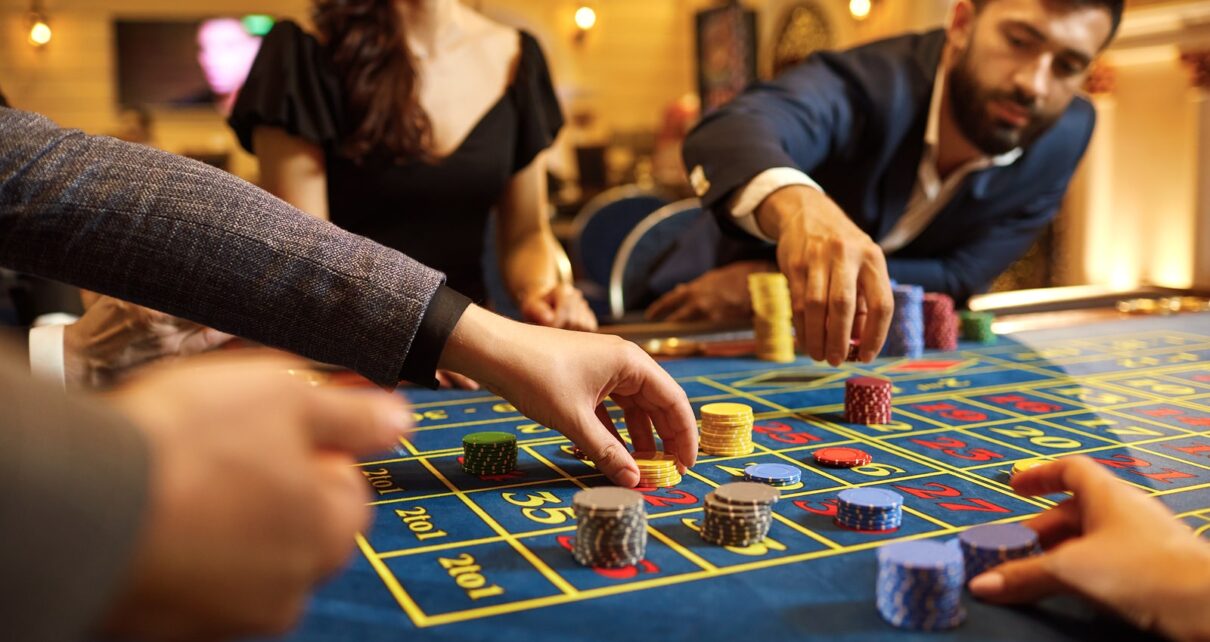
Casinos are not merely places for solitary gambling; they offer opportunities for social interaction that can enhance the gaming experience. Many players enjoy the camaraderie found at card tables and during live games, making the experience more enjoyable. Engaging with others can lead to a sense of community, which can further compel individuals to return to the casino. This social dynamic can mask the potential negative consequences of gambling, as players share experiences and foster a culture that normalizes frequent gambling.
Additionally, peer influence can shape individual gambling habits. People tend to mimic the behaviors of those around them, especially in social settings. If friends or acquaintances openly gamble, an individual may feel encouraged to join in, thinking it is a socially acceptable and rewarding activity. This can lead to increased frequency and intensity of gambling, as socialization often amplifies the excitement and risks involved.
The role of casinos as entertainment hubs also cannot be underestimated. Many establishments offer shows, restaurants, and attractions designed to keep guests engaged beyond just gambling. This holistic approach to entertainment reinforces the notion that spending time at a casino is more than just a financial gamble; it becomes a social outing, blurring the lines between recreation and risk.
Myths and Misconceptions About Gambling
One prevalent myth surrounding gambling is the belief that luck is the sole factor determining wins and losses. While luck does play a role, understanding the odds and game mechanics is crucial for making informed decisions. This misconception can lead players to chase unrealistic outcomes, often resulting in disappointment and financial loss. By fostering a better understanding of probability and statistics, players can temper their expectations and make more responsible choices.
Another common misconception is that certain strategies can guarantee success in games of chance. Players may believe that their skill can influence outcomes in games like slots or roulette. However, these games are fundamentally designed to favor the house, making it imperative for players to recognize the inherent risks. Educating players about the reality of these games can help mitigate feelings of frustration and the inclination to gamble excessively.
Lastly, many individuals believe they can easily stop gambling whenever they choose. While this may hold true for some, others may struggle with controlling their impulses, leading to addiction. Recognizing the psychological aspects that contribute to addictive behaviors is essential for addressing this misconception. By understanding the warning signs and seeking help, individuals can cultivate healthier gambling habits and prevent escalation into more severe issues.
The Impact of Technology on Gambling Behavior
The rise of online casinos and mobile gaming has profoundly altered gambling behaviors. With the convenience of accessing games from anywhere, players may find it easier to engage in gambling at any time. This accessibility can lead to an increase in impulse betting, where players are more likely to wager money on a whim, often without the benefit of rational thought or planning. Such scenarios can intensify the risk of developing unhealthy gambling habits.
Furthermore, technological advancements have led to innovative gaming experiences that can enhance player engagement. Live dealer games and virtual reality casinos create immersive environments that can captivate players’ attention for extended periods. The seamless integration of interactive features can create a sense of involvement, making it more challenging for players to disengage from the experience. This heightened engagement can lead to prolonged gaming sessions and increased financial risk.
Moreover, personalized marketing strategies employed by online casinos may influence player behavior. Targeted promotions and tailored offers can create a sense of urgency and exclusivity, compelling players to gamble more frequently. These psychological triggers can contribute to a cycle of continuous play, even when individuals may not have intended to spend more money. Understanding how technology impacts gambling behavior is essential for promoting responsible gambling practices in today’s digital landscape.
Conclusion: Understanding the Casino Experience
Casinos offer a complex environment that influences player behavior in various ways. The blend of sensory stimuli, social interaction, and technological advancements creates a powerful setting that can lead to both positive experiences and potential pitfalls. By examining the psychological effects of casinos, players can better understand their motivations and the factors that drive their decisions. This awareness is crucial in fostering responsible gambling habits.
Furthermore, combating myths and misconceptions about gambling can empower players to make informed decisions about their gaming activities. Education plays a vital role in helping individuals understand the real risks associated with gambling and develop a healthier relationship with this form of entertainment. Recognizing the psychological mechanisms at play can ultimately lead to better choices and a more enjoyable experience.
At Slotzania, the premier online casino for New Zealand players, we prioritize player safety and well-being. Our extensive selection of games, coupled with responsible gaming measures, ensures a secure environment where players can enjoy their experience. With a focus on education and support, we strive to create an enjoyable gaming adventure that aligns with healthy gambling practices. Join us today and embark on your journey while being informed and aware of the psychological effects of casino gaming.